ISO 14001 certification in Angola
ISO 14001 is the international standard for environmental management systems. We prepare the company to control impacts and meet legal requirements; certification is by DQS.
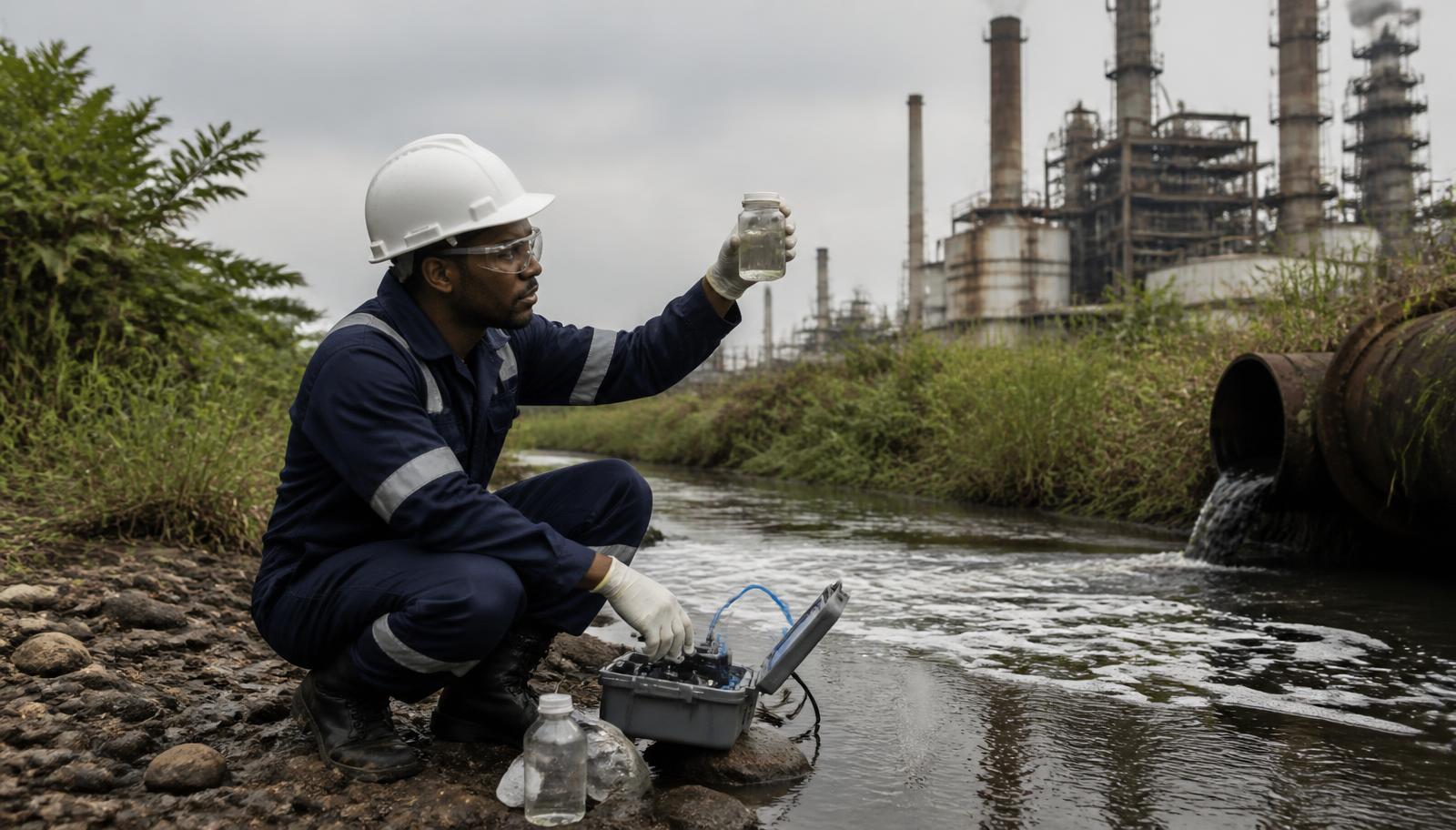
What ISO 14001 is
ISO 14001 structures how an organisation identifies environmental aspects and impacts, meets legal obligations, controls waste, emissions and consumption, and responds to environmental emergencies.
How we prepare the certification
- 01Aspects and impactsAssessment by activity and determination of significant ones.
- 02Legal requirementsUp-to-date register and compliance evaluation.
- 03Operational controlsWaste, effluents, emissions, energy and emergencies.
- 04MonitoringMeasurements and indicators for significant aspects.
- 05ImprovementEnvironmental objectives, internal audit and management review.
Export Lab prepares. DQS certifies.
Certification is only meaningful when it is independent. That is why the roles are clearly separated: Export Lab provides consulting, implementation and preparation; the certification audit is conducted by DQS, a German certifier present in more than 60 countries, autonomously and impartially, under international accreditation rules.
The client gets the best of both worlds: preparation by people who master certifiers' methods, and a certificate issued by an independent, internationally recognised certification body.
The Angolan context
Operators in industry, energy, construction and logistics in Angola face growing environmental requirements from regulators, financiers and international clients. The network covers environmental management with consultants based in the country.
Cost and timeline: what makes them vary
We do not publish list prices for ISO 14001, because the effort is not the same in two different organisations. The investment always has two separate components: preparation, delivered by Export Lab, and the certification audit, billed by the certification body.
What drives cost: Number of sites and their nature, quantity and criticality of environmental aspects to assess, whether an up-to-date legal requirements register exists, need for monitoring and measurement (effluents, emissions, noise), and maturity of waste and environmental emergency management.
What drives the timeline: Timeline is normally driven by the aspects and impacts assessment, the time needed to gather credible monitoring data, and any corrective action on licensing before the audit.
After the initial assessment, scope, schedule and price are presented in writing, before any commitment.
What your company gains
- Licensing up to date and environmental impacts under control.
- A credible answer to financier and client requirements.
- Lower consumption and waste-related costs.
Frequently asked questions
- Who needs ISO 14001?
- Organisations with material environmental aspects — water and energy use, emissions, effluents, hazardous waste, noise or earthworks — and companies whose clients, funders or licences require demonstrable environmental management.
- Is ISO 14001 mandatory in Angola?
- ISO 14001 is a voluntary standard. What is not voluntary are the environmental legal requirements applicable to the activity and its licensing: the standard organises how to identify, meet and evidence them, but does not replace them.
- How much does ISO 14001 certification cost?
- There is no list price. The figure follows from scope and starting point — specifically: Number of sites and their nature, quantity and criticality of environmental aspects to assess, whether an up-to-date legal requirements register exists, need for monitoring and measurement (effluents, emissions, noise), and maturity of waste and environmental emergency management. Preparation and the certification audit are billed separately, the latter by the certification body.
- How long does ISO 14001 implementation take?
- We do not quote fixed timelines before the assessment. Timeline is normally driven by the aspects and impacts assessment, the time needed to gather credible monitoring data, and any corrective action on licensing before the audit. A realistic schedule is set out in the proposal.
- Who issues the certificate? Does Export Lab also certify?
- No. Export Lab prepares and implements; the ISO 14001 certification audit is conducted independently by DQS. Whoever prepares cannot certify, and that separation is what gives the certificate value with clients and regulators.
- What happens after certification?
- The certificate runs on a three-year cycle, with annual surveillance audits by DQS. Between audits, the legal register, monitoring of significant aspects, internal audit and management review are kept live.
- Can we integrate ISO 14001 with ISO 9001 and ISO 45001?
- Yes, and it is often the most efficient option. All three share the same high-level structure, allowing an integrated system: one policy, one legal requirements matrix, one internal audit plan and one management review, with each standard's specific requirements handled in the processes where they belong.
11 network specialists in this area
Independent network consultants specialising in Environmental Management and ISO 14001.